When will altseason start?

When people ask "When will altseason start?", they're usually trying to understand when capital will rotate from Bitcoin into altcoins, creating the explosive rallies that make altcoins outperform BTC for weeks or months.
There's no calendar date you can circle. But altseasons follow patterns, and understanding those patterns, plus the indicators that tend to flash before rotation begins, gives you a framework to work with instead of pure guesswork.
This article covers:
- What altseason actually is and why it matters
- Historical patterns from past cycles
- Key indicators to monitor for early signals
- Current cycle expectations and what analysts are projecting
- How to track rotation signals in real time
What is altseason and why it matters
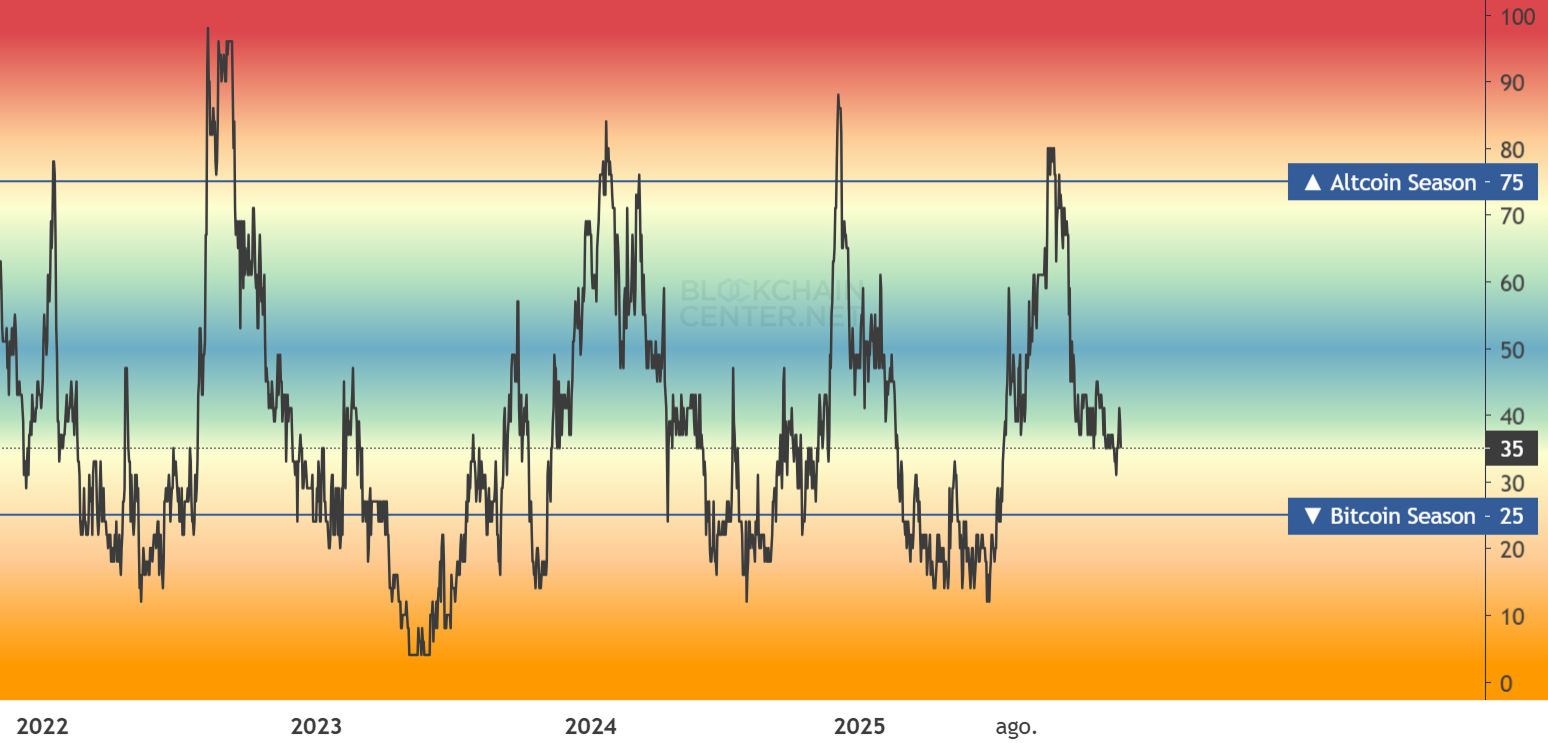
Altseason is the period when altcoins (all cryptocurrencies except Bitcoin) significantly outperform Bitcoin in terms of price appreciation. The Altcoin Season Index considers altseason active when more than 75% of the top 50 altcoins outperform Bitcoin over a 90-day period.
During altseason, you see a clear capital rotation pattern. Investors who've profited from Bitcoin's bull run start taking profits and redeploying that capital into altcoins, seeking higher returns from assets with smaller market caps and greater volatility. This creates a cascading effect where money flows from BTC → major alts (like Ethereum) → mid-cap alts → small-cap alts.
Why this matters isn't just about timing trades. Understanding altseason dynamics helps you:
- Recognize when risk appetite is expanding beyond Bitcoin
- Position yourself before rotation accelerates
- Avoid being caught off-guard when altcoin momentum suddenly explodes
- Understand market structure and where capital is flowing
Altseason isn't just about price. It's about market psychology shifting from "Bitcoin is the safe bet" to "altcoins offer asymmetric upside." When that shift happens, it can create some of the most explosive moves in crypto.
Past cycles and temporal patterns
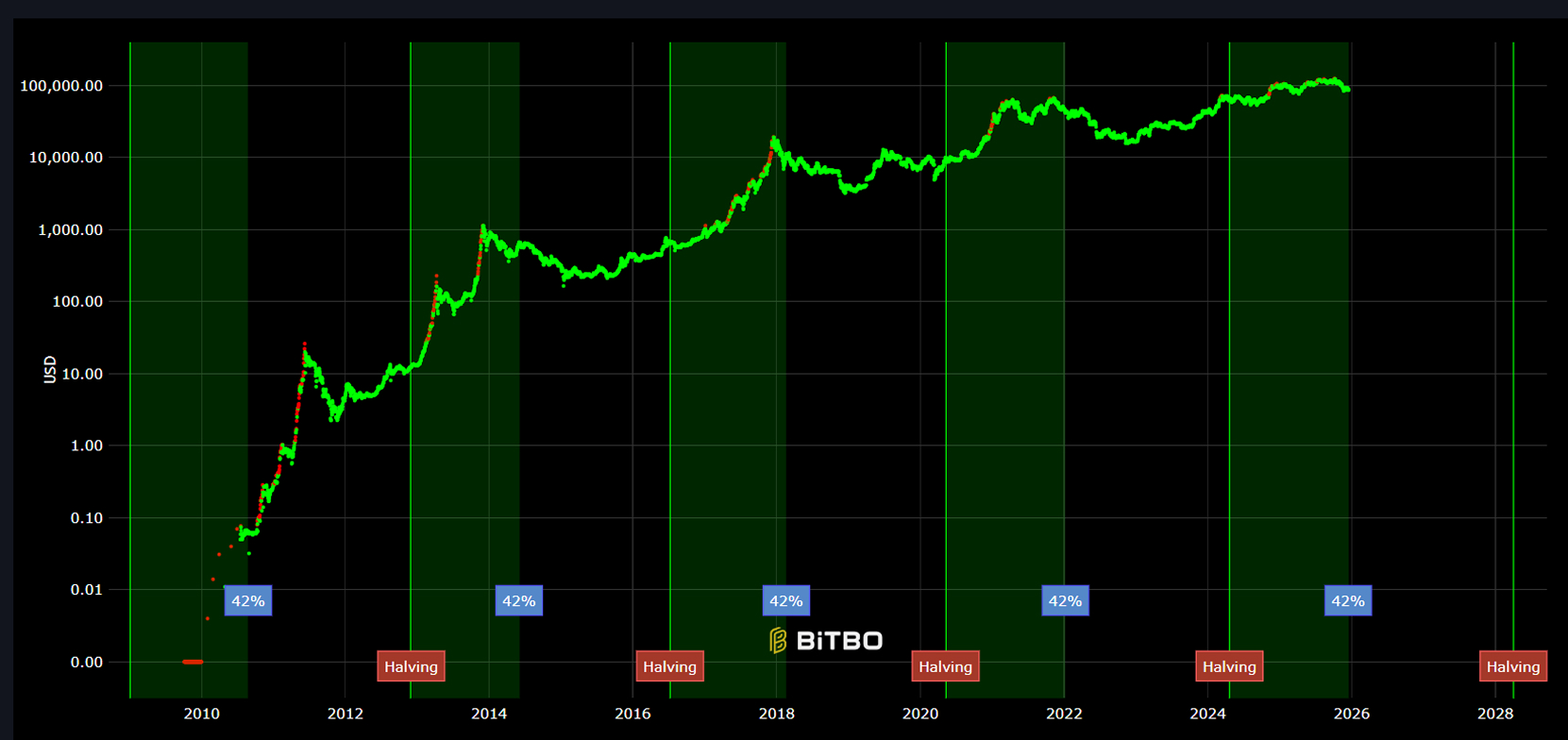
Looking at Bitcoin's history, altseasons have followed a consistent pattern relative to halving events.
2017–2018 altseason
After the 2016 halving, Bitcoin's bull market peaked in December 2017. The altseason that followed emerged roughly 6–9 months after the halving, as Bitcoin reached new all-time highs and then entered a consolidation phase. During this period, altcoins like Ethereum, Ripple, and numerous smaller projects saw massive rallies, with many gaining 10x, 50x, or even 100x in a matter of months.
2020–2021 altseason
After the May 2020 halving, Bitcoin's bull run accelerated through 2021, reaching new highs. The 2021 altseason phase emerged around 6–9 months post-halving, with the most intense period occurring in the first half of 2021. This was when projects like Solana, Cardano, Polygon, and countless meme coins saw parabolic moves, while Bitcoin dominance dropped from above 70% to below 40% at times.
The pattern is clear. Altseasons tend to emerge:
- 6–9 months after a halving
- When Bitcoin reaches or approaches new all-time highs
- After Bitcoin enters a consolidation phase, allowing capital to rotate
- When market sentiment shifts from "Bitcoin only" to "risk-on altcoin hunting"
This timing makes sense structurally. The halving creates Bitcoin scarcity pressure, driving BTC's price higher. Once Bitcoin has made significant gains and starts consolidating, investors who've profited begin looking for the next opportunity. That's when altcoins become attractive.
Key indicators to monitor
No single signal perfectly predicts altseason, but when several indicators align, the probability of rotation increases significantly.
Bitcoin dominance falling below 50%
Bitcoin dominance measures Bitcoin's share of total crypto market capitalization. When dominance falls below 50%, it signals that altcoins are collectively gaining market share, often indicating that rotation is underway or accelerating.
Historically, altseasons have coincided with Bitcoin dominance dropping from elevated levels (60–70%) down to 40–50% or lower. The 2021 altseason saw dominance fall as low as 40% at times, showing how extreme the rotation can become.
Altcoin Season Index above 75%
The Altcoin Season Index tracks how many of the top 50 altcoins are outperforming Bitcoin over a 90-day window. When this index crosses above 75%, it's considered a strong signal that altseason is active. This metric is part of the broader framework for understanding how altseason works, which involves tracking multiple rotation phases from Bitcoin-led markets to full altcoin rallies.
This metric provides a clear, quantitative measure of whether the market is in an altcoin-friendly phase. It's not a leading indicator, but it confirms when rotation has already begun.
On-chain rotation signals
Several on-chain metrics can signal early rotation pressure. The "OTHERS" index, which tracks the performance of altcoins outside the top 10, often starts rising before the broader altseason becomes obvious. When smaller altcoins begin outperforming, it suggests capital is flowing down the market cap ladder.
Exchange flows also matter. When Bitcoin reserves on exchanges start rising while altcoin reserves fall, it can indicate profit-taking from BTC and redeployment into alts.
Bitcoin peaks and consolidation
Altseasons typically don't start while Bitcoin is in a strong uptrend. Instead, they emerge when Bitcoin has reached a significant high and begins consolidating. This creates a psychological shift where investors feel Bitcoin has "done its job" and start seeking the next opportunity. Understanding what triggers altseason helps you recognize these consolidation patterns before rotation accelerates.
Some analysts point to Bitcoin reaching price levels like $100k or higher and then stabilizing as a potential trigger. The idea is that once Bitcoin has achieved a major milestone, capital rotation becomes more attractive.
Retail interest and narrative shifts
When retail interest in altcoins spikes, it often signals that altseason momentum is building. This shows up in:
- Increased search volume for "altcoins" and specific projects
- Social media discussions shifting from Bitcoin to altcoin projects
- Meme coin rallies and speculative narratives gaining traction
- New project launches and token launches attracting attention
These aren't technical indicators, but they reflect the psychological shift that accompanies altseason. When retail starts talking about altcoins instead of just Bitcoin, rotation is often already underway.
Derivatives and leverage shifts
Funding rates and open interest can also provide clues. When altcoin funding rates become extremely positive while Bitcoin funding normalizes, it suggests traders are positioning for altcoin outperformance. Similarly, when open interest shifts from Bitcoin futures to altcoin futures, it indicates capital rotation at the derivatives level.
Current cycle expectations
As we approach the end of 2025, the current cycle is showing something unusual compared to historical patterns.
The calendar says one thing:
- The most recent halving occurred in April 2024
- Historically, by this point (roughly 18–20 months post-halving), we would have expected an altseason to have occurred
- Past cycles saw altseasons emerge 6–9 months after halvings, which would have put the window somewhere in late 2024 or early 2025
But the market is saying something else:
- No altseason occurred during the 2024–2025 growth phase
- Bitcoin dominance has remained relatively elevated, staying above 50% for most of the period
- Altcoin performance has been mixed, with no broad-based rotation into altcoins
- The euphoria phase and retail FOMO that typically accompany altseasons never materialized
This creates uncertainty about when, or even if, an altseason will occur in this cycle.
Some analysts argue that the current cycle could be extended, with institutional adoption and ETF flows creating a different dynamic than previous cycles. In this scenario, Bitcoin might continue leading for longer, potentially pushing the altseason window into 2026 or later. The argument goes that institutional capital prefers Bitcoin, and retail hasn't yet reached the euphoric phase that typically drives altcoin speculation.
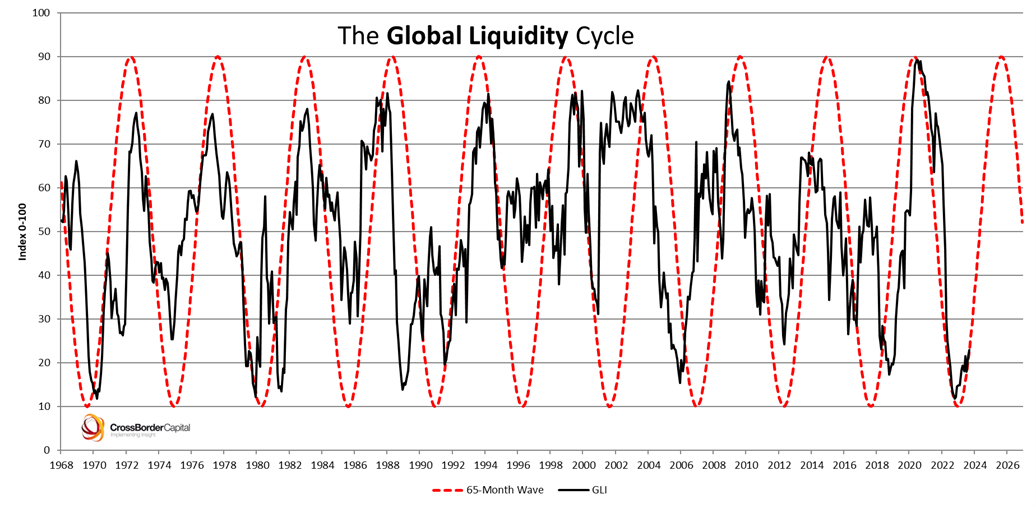
Others point to the possibility that this cycle might skip altseason entirely, or that altseason might be more muted than in previous cycles. If the cycle transitions directly from Bitcoin-led growth to a bear market without the typical euphoria phase, there may not be enough retail interest or capital rotation to fuel a traditional altseason.
There's also a third scenario where altseason could still emerge in 2026, but it would require specific conditions. Bitcoin would need to either reach new all-time highs and consolidate, or the market would need to see a shift in macro conditions that increases risk appetite. Some analysts project that if Bitcoin breaks above previous highs and enters a consolidation phase, capital rotation could finally begin, potentially creating an altseason in the first half of 2026.
The reality is that we're in uncharted territory. The current cycle hasn't followed historical patterns as closely as previous cycles, making predictions about altseason timing more uncertain than usual.
How to monitor in real time
Instead of trying to predict when altseason will start, it makes more sense to build a system that monitors rotation signals in real time.
What to track:
- Bitcoin dominance trends to see if capital is rotating away from BTC
- Altcoin rotation indicators that measure whether altcoins are starting to outperform
- Market breadth metrics showing how many altcoins are participating in rallies
- Sentiment and narrative shifts that reflect changing risk appetite
Tools like HunchMachine's API provide real-time data on these rotation dynamics. The Altcoin Rotation Radar indicator tracks capital flow across the crypto market, identifying whether the market is in a BTC-led phase, early ETH rotation, or entering altseason territory. It uses smoothed momentum trends in BTC dominance and ETH/BTC strength, combined with performance breadth of top altcoins, to classify the current rotational phase.
The Altcoin Appetite Index measures market appetite for altcoins by blending liquidity flow, Bitcoin dominance trends, and capital rotation signals. When this index moves above 0.6, it suggests strong appetite for altcoins and early altseason pressure.
For those who want to automate this monitoring, the Altcoin Opportunities Detector automation scans the market for short-term altcoin setups during expansion phases. It confirms when the market is in a bull regime, detects when altseason is active via the Altcoin Rotation Radar, and then identifies specific coins showing early strength, momentum, or recovery potential. This transforms the question "when will altseason start?" into something more actionable: "are we seeing early rotation signals right now, and which altcoins are showing the strongest setups?"
So… when will altseason start?
Based on historical patterns, altseasons have typically emerged 6–9 months after Bitcoin halvings, when Bitcoin reaches new highs and begins consolidating. That would have put the window somewhere in late 2024 or early 2025.
But the current cycle hasn't followed that pattern. As we approach the end of 2025, no altseason has occurred, and the market is showing mixed signals about whether one will emerge.
More importantly, fixating on a calendar date is less useful than building a system to monitor rotation signals in real time.
What makes more sense is:
- Track Bitcoin dominance to see if capital is rotating away from BTC
- Monitor altcoin rotation indicators like the Altcoin Season Index and rotation momentum
- Watch for market breadth showing how many altcoins are participating
- Read macro context to understand if conditions support risk-on altcoin speculation
The question "When will altseason start?" stops being about finding a magic date and becomes: "How do I recognize when capital rotation is beginning, and which altcoins are showing the strongest early signals?"
Monitor the indicators, respect the probabilities, and adjust your positioning as rotation signals accumulate. Altseasons don't start on schedule. They start when the conditions that drive them align: Bitcoin stability, risk appetite expansion, and capital seeking higher returns in altcoins. Your job is to recognize those conditions as they form, not to predict them months in advance.